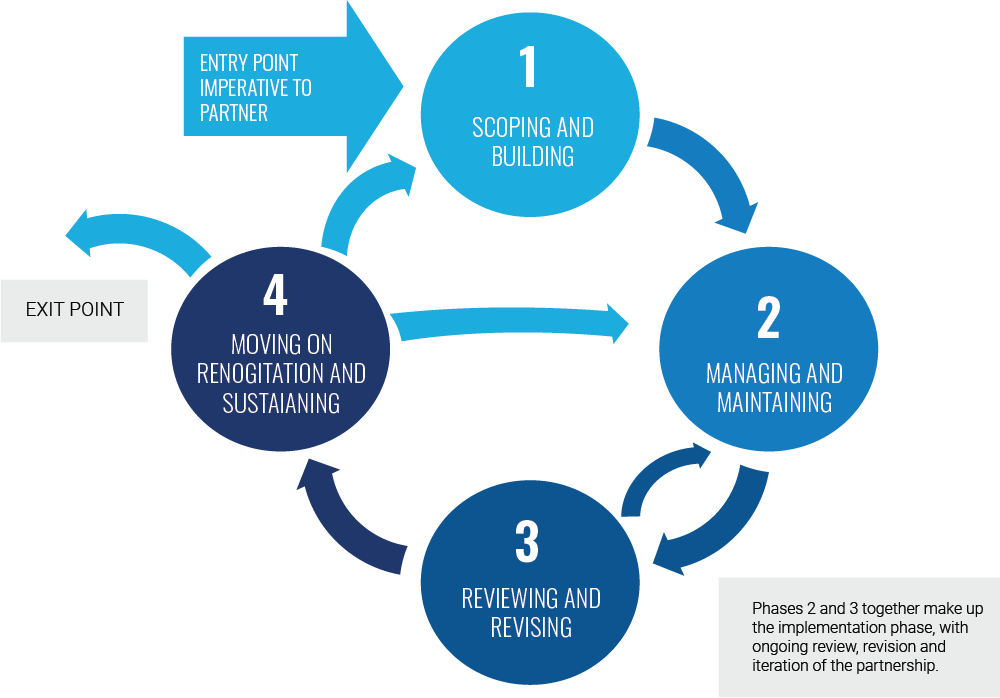
Equity partnerships play a central role in helping businesses grow, expand, and prepare for the future. In Albania and across the Balkans, companies often look to equity partners not just for capital, but also for knowledge, guidance, and access to networks. Understanding the stages of an equity partnership — from the first idea to the eventual exit — is essential for both founders and investors.
1. The First Idea and Early Discussions
Every partnership begins with an idea. A founder may recognize the need for external investment to support expansion, modernize operations, or develop new products. At this stage, the focus is on clarifying what the business needs, how much capital is required, and what kind of partner can add value. Early conversations between founders and potential investors are often informal, but they set the tone for what will follow.
2. Due Diligence and Agreement
Once there is mutual interest, both sides move into the due diligence process. Investors carefully review the company’s financial records, governance practices, and growth potential. Founders must be prepared to present clear financial data, realistic projections, and transparent answers to questions about operations and risks. If both parties agree, the terms of the partnership are formalized in a contract that outlines responsibilities, rights, and expectations.
3. Active Partnership and Growth
The real work begins after the agreement is signed. During this phase, the investor provides capital, but also strategic guidance. A successful equity partnership is not limited to money; it includes shared planning, monitoring progress, and making adjustments when challenges arise. For founders, this stage often means adopting new practices, strengthening management, and preparing the business for larger opportunities.
4. Preparing for Exit
Equity partnerships are not permanent. From the start, both sides should have a clear understanding of how and when the investor might exit. Preparing for exit involves increasing the company’s value, building a strong track record, and positioning the business so that it attracts future buyers or partners. This can include improving governance structures, expanding into new markets, or refining operations to appeal to larger investors.
5. The Exit Stage
The final stage is the exit itself. This may come in different forms: the company could be sold to a larger group, shares could be bought back by the founders, or the business could go public if conditions allow. A well-planned exit benefits both sides — investors gain returns on their capital, while founders retain a stronger, more experienced business that is ready for its next chapter.
Conclusion
An equity partnership is more than a financial arrangement. It is a journey that starts with an idea, develops through collaboration, and concludes with an exit that shapes the future of the business. For Albanian companies seeking growth, understanding this lifecycle helps them prepare for every stage, attract the right partners, and create value that lasts beyond the partnership itself.